A few months into college, I was still the freshman tagging along with upperclassmen in hackathons. This time was different: I was leading the team.
That meant more than writing code. I coordinated the project, assigned tasks, made the technical calls, and stood in front of the judges to present what we’d built.
Build something people remember
The hackathon only required the project to relate to transportation. We could’ve played it safe with another navigation app or educational game. Instead, I pushed for a driver monitoring system that used computer vision to detect drowsiness and distraction through nothing more than a phone camera.
Some teammates weren’t convinced. It sounded difficult, maybe impractical. My argument: this is a hackathon, we don’t need an idea nobody has thought of, we need an idea other teams think is impossible.
Three weeks of figuring things out
None of us had touched computer vision or WebRTC before, let alone mobile apps, so the first weeks went into just getting detection to run consistently.
A big chunk of our time was dealing with performance. Render’s free tier couldn’t handle it, so we moved to Azure App Service mid-development for the free student credits. Even then, a locally run backend was faster, so that’s what we used for the demo.
The night before demo day, the connection wouldn’t establish in the APK build. Hours of debugging later, the fix was a one-line config change :)
The demo mattered (maybe the most)
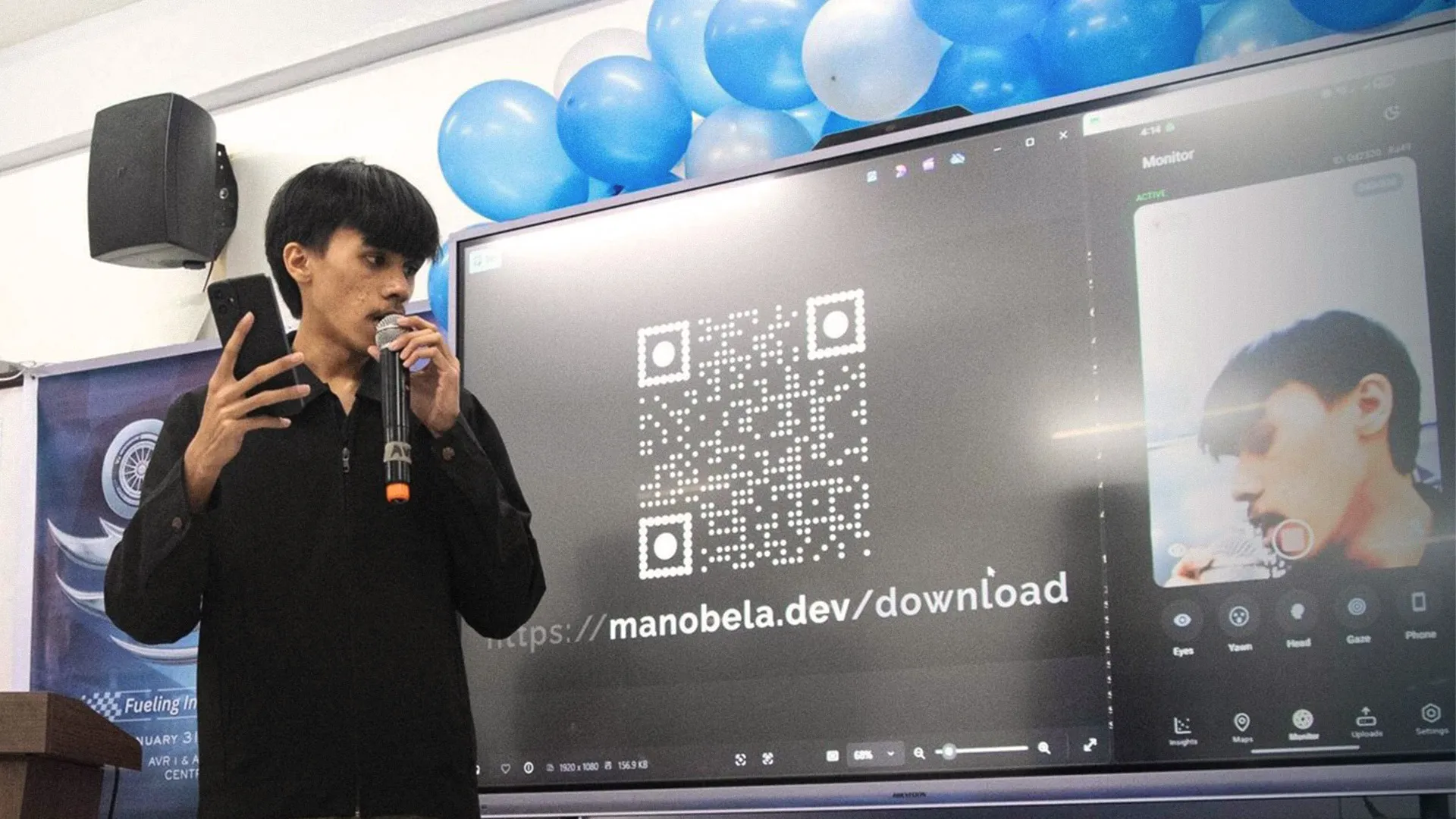
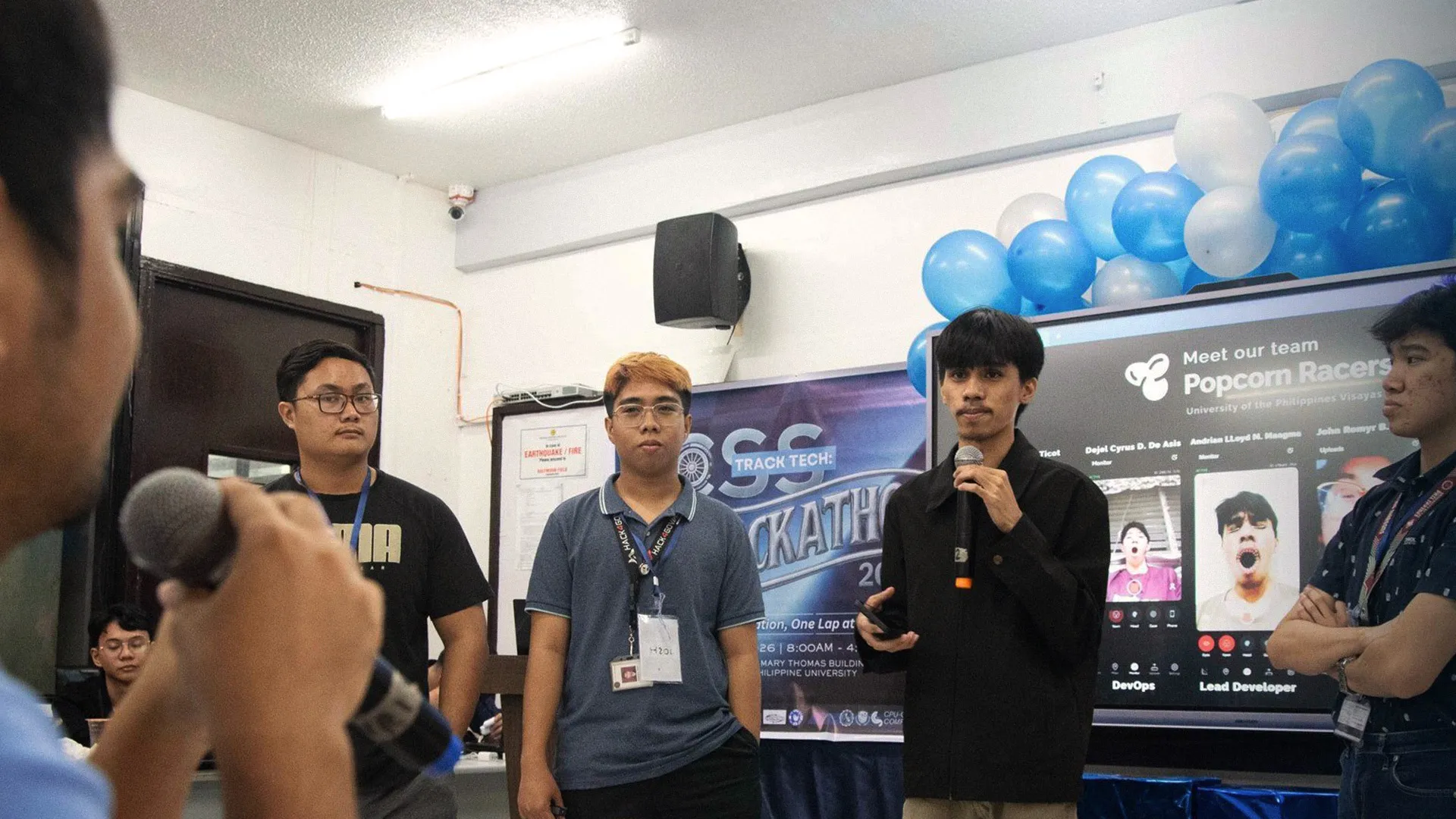
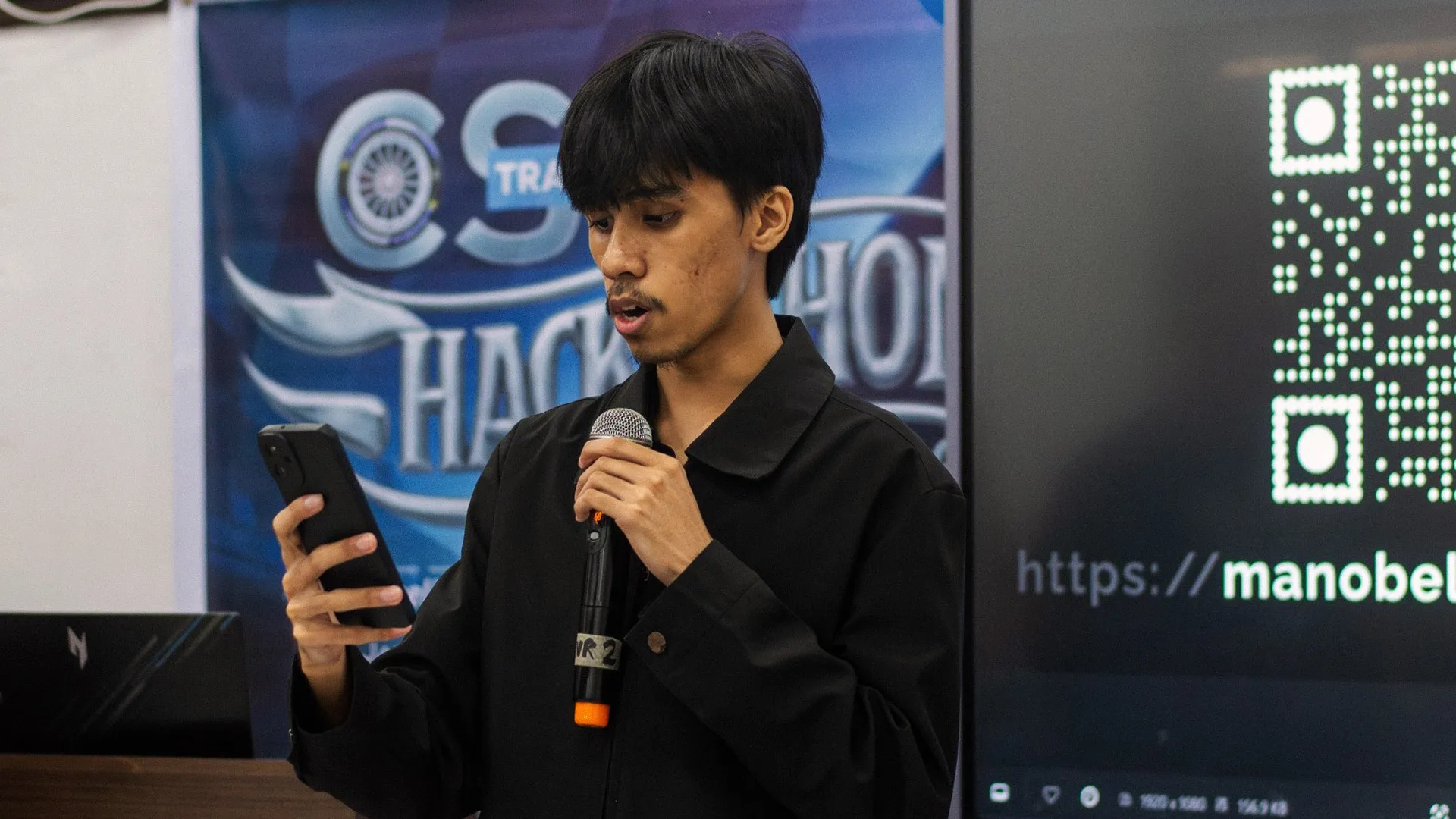
We let the product do most of the talking: live detection, then map integration, then live tracking, then recorded video analysis. Every time the demo looked done, there was another feature waiting.
One judge said it felt production ready (it isn’t, lol) and complimented our architecture diagrams (just mermaid).
Looking back
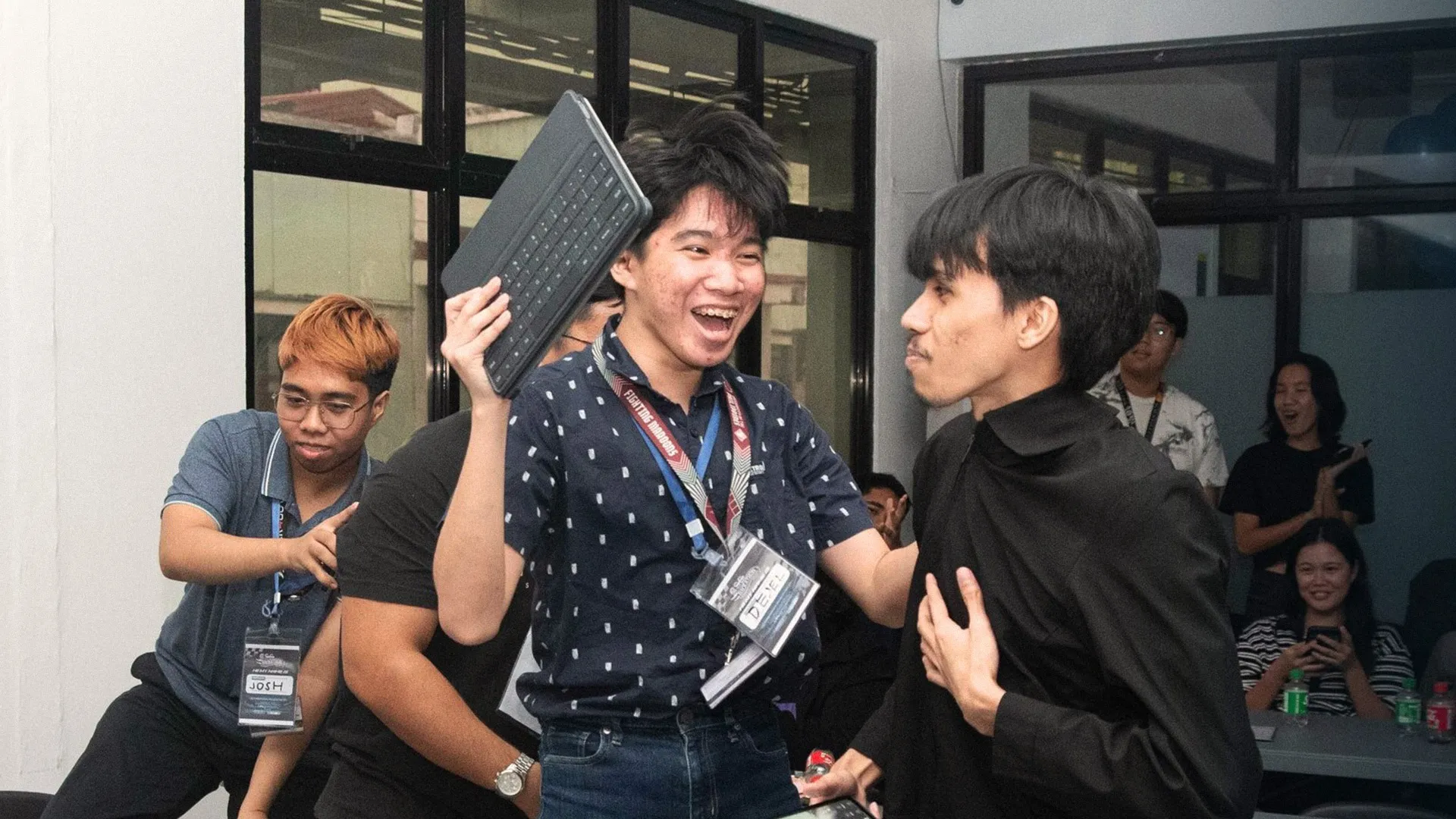
First hackathon outside campus, first time leading a team, first time winning champion.
Unlike the past hackathon, I don’t think we won because we used computer vision. That was just the hook. What made the difference was the polished demo, the attention to detail, and picking a project other teams avoided.
How it turned out
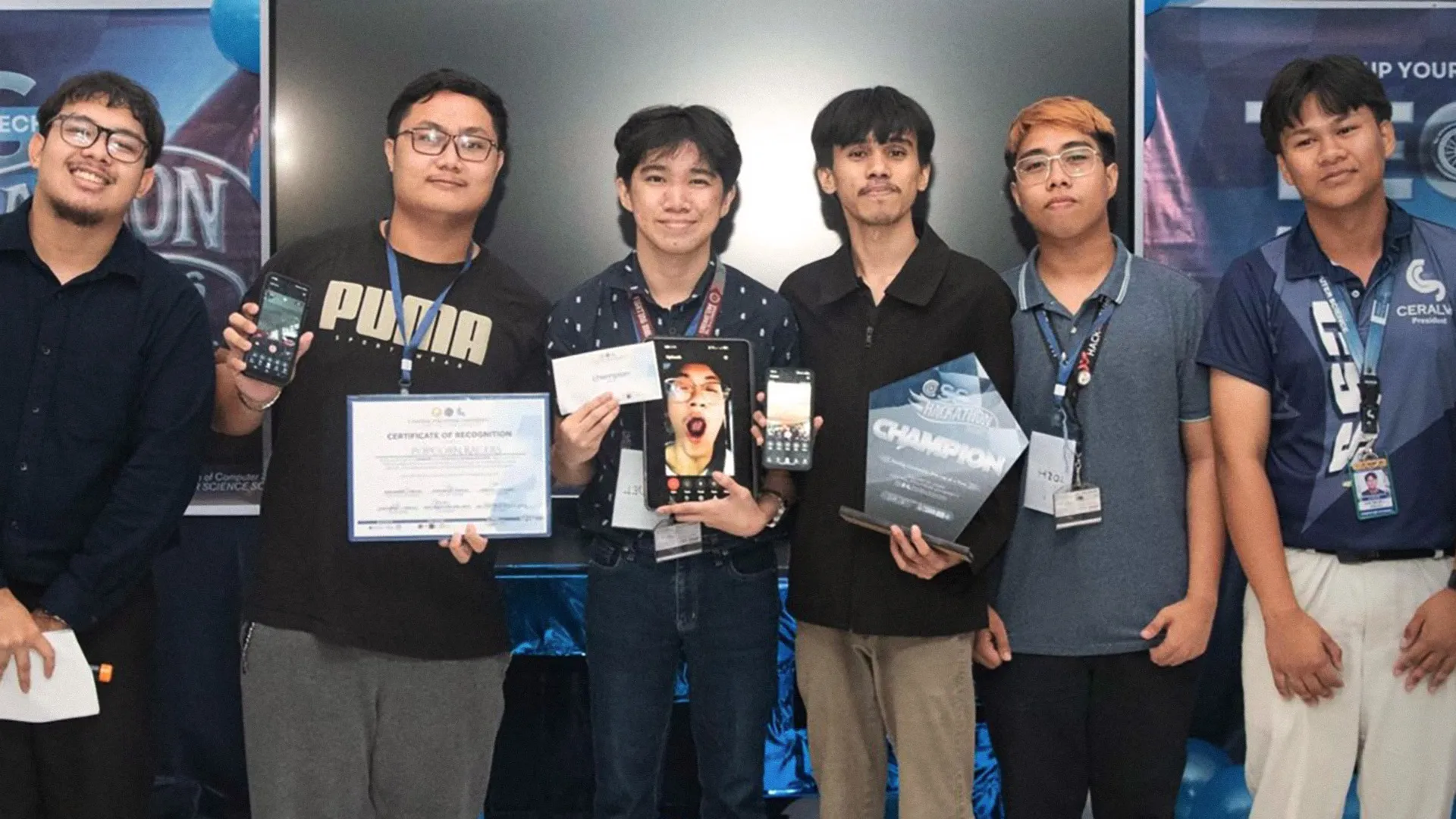
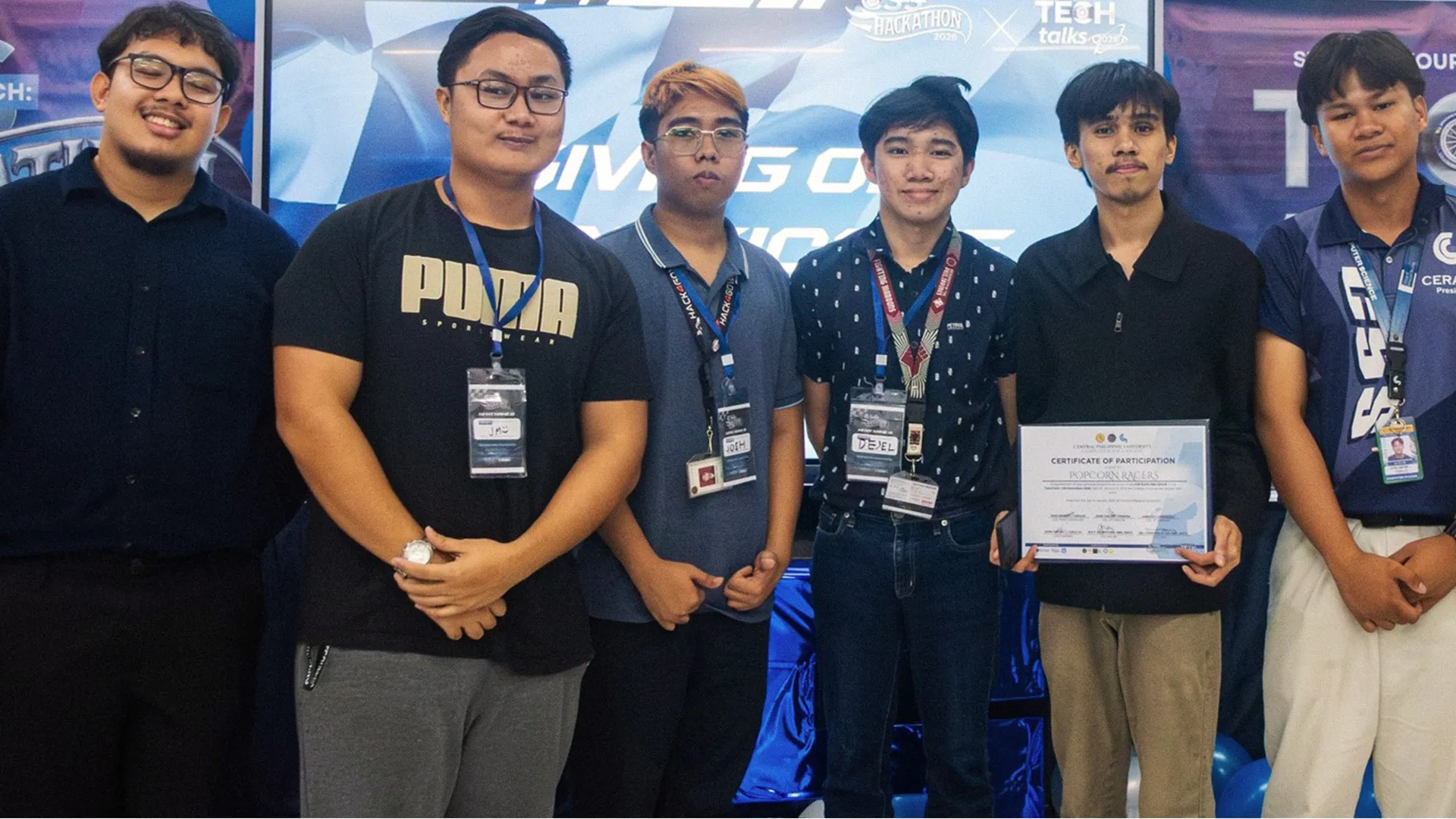
Champion out of 7 competing teams with our project Manobela.
Our project
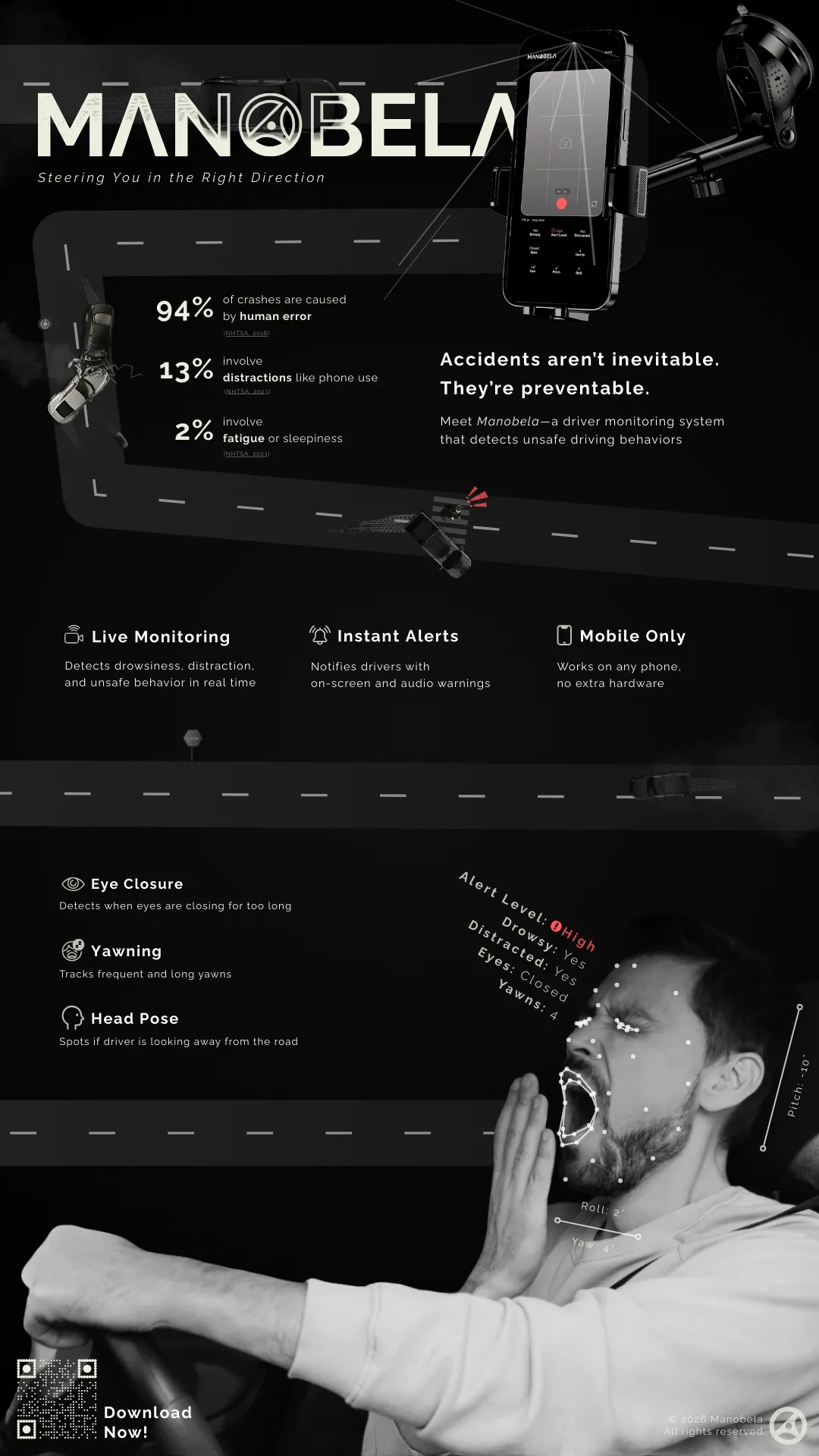
We built Manobela, a driver monitoring system that detects unsafe driving behaviors in real time and alerts the driver immediately.
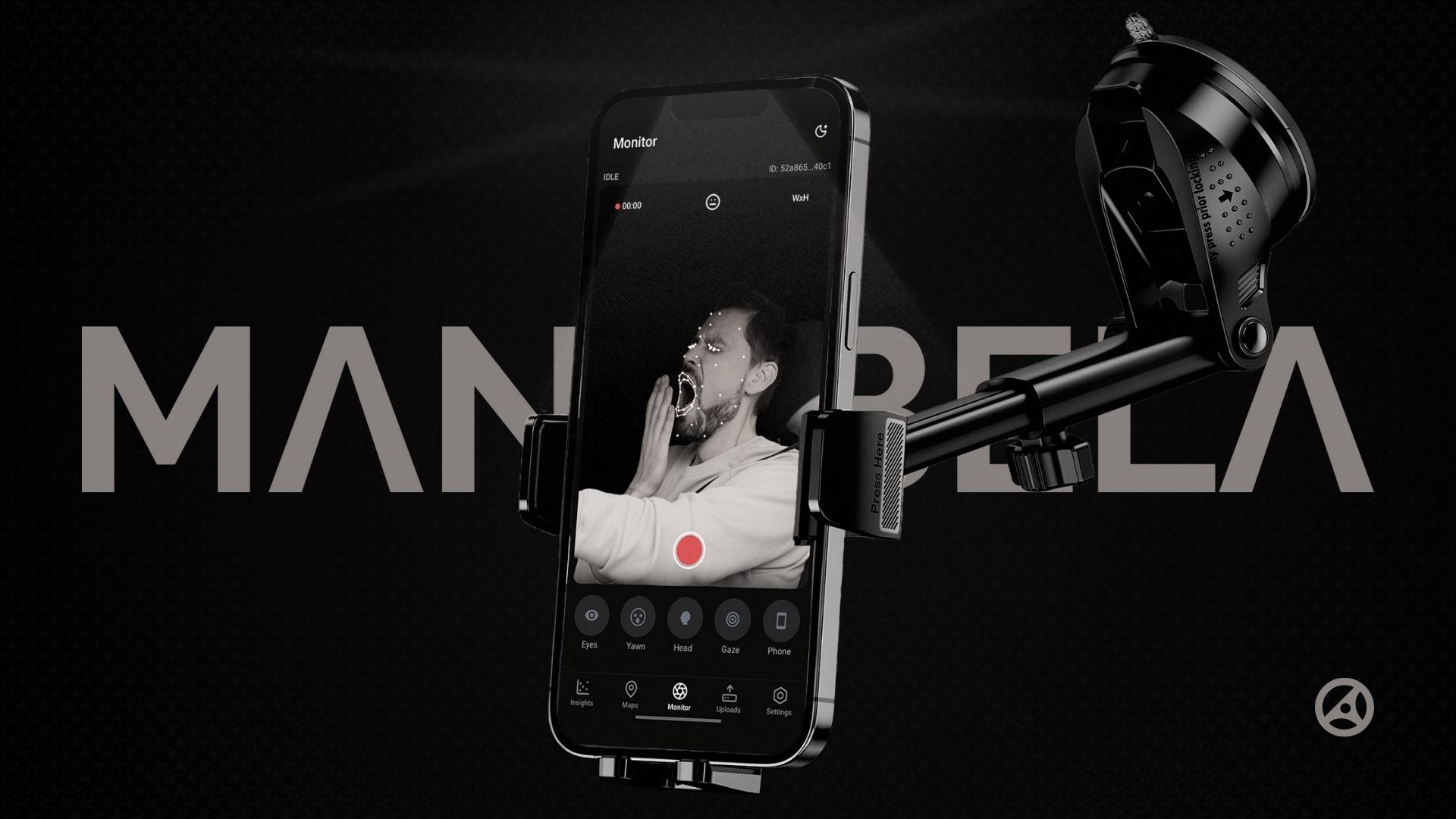
I also designed the poster for the competition (didn’t win that part though).